The Value of Heat Treatment for Bed Bugs: Why It Stands Out as the Best Approach
Bed bug infestations pose significant challenges for both homeowners and renters. Standard treatments commonly come up short, causing recurring procedures and continuing issues. Heat therapy, however, proves to be an effective option. By employing high temperatures, it effectively targets all life stages of bed bugs. This technique not only promises full extermination but also lessens the health concerns connected to chemical solutions. The benefits of this method deserve further consideration. What positions heat treatment as the favored solution for numerous individuals?
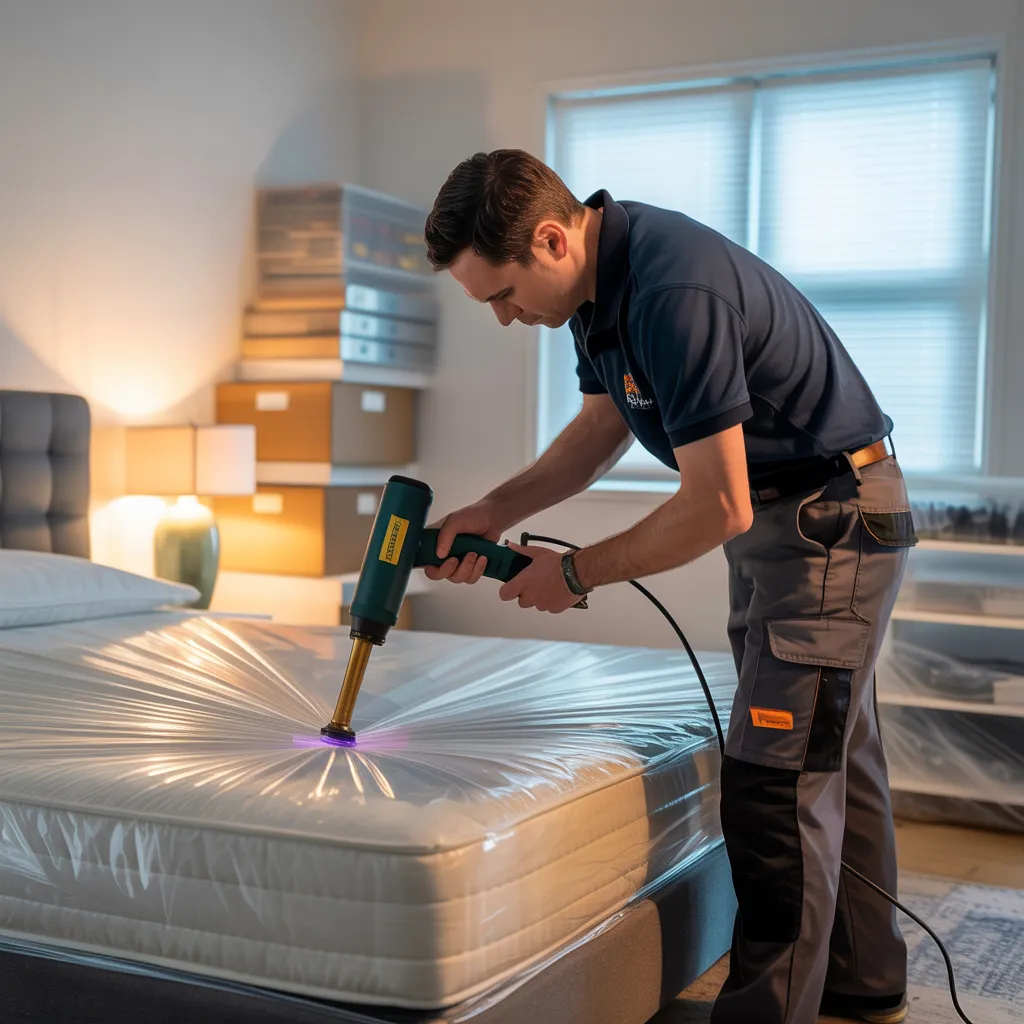
Why Bed Bug Infestations Continue to Be a Growing Concern
As cities grow and global travel becomes more common, bed bug infestations have emerged as a serious issue for many communities. These insects, recognized for their hardiness and rapid reproduction, present significant challenges for both residents and pest control professionals. Unlike many household pests, bed bugs do not discriminate; they can easily spread into high-end hotels, simple homes, and shared transit systems. Having them present can result in emotional distress, monetary hardships, and damaged reputations for businesses.
Furthermore, the negative stigma associated with bed bugs makes the situation more complex, often resulting in personal isolation for affected individuals. Since conventional extermination approaches may prove inadequate, the urgency for effective solutions increases. The persistent growth in worldwide travel and city dwelling amplifies the possibility of bed bug infestations expanding, necessitating immediate attention from public health authorities and property owners alike. Understanding the factors contributing to this growing concern is critical for devising effective prevention strategies.
How Does Heat Treatment Get Rid of Bed Bugs?
Thermal treatment successfully eliminates bed bugs by subjecting them to temperatures surpassing 120°F (49°C). These elevated temperatures interfere with the physiological processes of the pests, causing more information their demise at all life stages, including eggs, nymphs, and adults. The temperature is meticulously regulated, guaranteeing that warmth reaches all hiding spots bed bugs may occupy, such as mattresses, furniture, and cracks in walls.
As heat levels climb, bed bugs and their eggs are unable to adapt or build resistance, making heat treatment a remarkably efficient approach. This approach also does away with the use of chemical insecticides, reducing exposure to potentially harmful substances. Furthermore, heat treatment has the ability to access difficult areas where standard techniques could prove ineffective, providing a comprehensive removal of the pest problem. This procedure generally requires several hours, providing adequate time for the heat to fully penetrate the affected areas.
Essential Advantages of Using Heat Treatment to Exterminate Bed Bugs
Heat treatment offers several significant advantages for exterminating bed bugs. It is a non-toxic method that guarantees safety for residents and the environment alike, while also offering a swift and efficient resolution. Additionally, heat treatment provides enduring outcomes, minimizing the chances of future infestations.
Chemical-Free Elimination Approach
Utilizing heat treatment stands out as a highly effective and toxin-free method for exterminating bed bugs. This approach employs high temperatures, typically between 120°F and 140°F, to eliminate both adult bed bugs and their eggs without the use of harmful chemicals. As a result, households benefit from a healthier environment, reducing the risk of exposure to harmful chemicals often associated with traditional pest control methods. Additionally, heat treatment is advantageous for susceptible groups, such as children and pets, who may be negatively impacted by chemical treatments. This method also reduces the potential for chemical resistance, a common issue with insecticides. Overall, heat treatment emerges as a reliable, eco-friendly solution for those looking for an effective way to address bed bug infestations.
Fast and Effective Treatment
Heat treatment provides numerous advantages for those facing bed bug infestations. One of the primary benefits is its speed; sessions can generally be wrapped up in just hours, allowing individuals to return to their spaces quickly. In contrast to conventional approaches that often need repeated treatments, one heat treatment session is sufficient to address all life stages of bed bugs. The high temperatures penetrate furniture, walls, and even hard-to-reach areas, ensuring thorough eradication. Furthermore, everyday routines are barely interrupted, as occupants typically need to vacate only for a short period during the treatment. This efficiency not only saves time but also provides immediate relief from the stress and discomfort associated with bed bug infestations.
Lasting Results
One of the key advantages of heat treatment for bed bugs is its effectiveness in delivering long-lasting results. In contrast to conventional approaches, which may demand repeated sessions, heat treatment thoroughly destroys all life stages of bed bugs in a single session. By elevating temperatures to fatal degrees, it confirms that both adult bugs and their eggs are eradicated, considerably lowering the likelihood of re-infestation. Furthermore, heat penetrates into cracks, crevices, and even furniture, where bed bugs often shelter, enhancing its effectiveness. This all-encompassing approach not only resolves active infestations but also aids in stopping future infestations. Homeowners can feel confident, knowing that their living spaces are rid of these unwanted guests for an extended period, making heat treatment an ideal solution for lasting relief.
How Heat Treatment Eliminates Every Life Stage of Bed Bugs
While bed bugs can be resilient, heat treatment effectively targets all life stages of these pests, including eggs, nymphs, and adults. This method involves elevating the heat levels in infested rooms to between 120°F and 140°F, which is lethal to bed bugs. These elevated temperatures reach into furniture, carpets, and walls, ensuring thorough coverage.
Exposure to heat destroys the protein structure of bed bugs, resulting in their elimination. Bed bug eggs, frequently concealed in cracks and crevices, are especially susceptible; exposure to sustained heat prevents them from hatching. Furthermore, both nymphs and adults, capable of withstanding lengthy periods without nourishment, are likewise destroyed upon exposure to sustained heat.
This method not only eradicates visible infestations but also tackles unseen colonies. By thoroughly disrupting the complete reproductive cycle of bed bugs, heat treatment stands as a powerful solution, providing both immediate and long-lasting relief from these relentless insects.
What Happens When You Get Heat Treatment?
When undergoing heat treatment for bed bugs, proper preparation is crucial to ensure safety and effectiveness. The process requires the careful application of high temperatures to destroy all life stages of the bed bugs. Following the treatment, particular safety precautions must be followed to sustain a bed bug-free environment.
Preparing for Heat Treatment
Thorough preparation is critical for a productive heat treatment against bed bugs. In advance of the treatment, homeowners should remove all items from closets, drawers, and under beds to establish an unobstructed route for heat penetration. Clothes, bedding, and linens should be cleaned in hot water and dried at high temperatures to remove any bed bugs present. Furthermore, personal items like electronic devices and valuable belongings must be transferred to a protected space, as intense heat may harm these items. Pets should be relocated to a safe environment during the treatment. To conclude, it is essential to guarantee that the property is accessible, with windows and doors properly sealed to maximize the efficiency of the heat treatment process. Thorough preparation lays the groundwork for complete eradication.
Heat Application Process
Following careful preparation, the heat treatment process commences with the use of advanced equipment engineered to increase the indoor temperature to levels fatal for bed bugs. Technicians strategically position heaters across the impacted area to achieve even heat distribution. The temperature is commonly increased to between 120°F and 140°F, held for a determined length of time to effectively eradicate all life stages of bed bugs, including eggs. Continuous monitoring is conducted using infrared thermometers to ensure that temperatures attain and hold the required thresholds. Fans may additionally be utilized to promote better air circulation, enabling heat to reach concealed crevices. This meticulous approach ensures that every area of the space is addressed, optimizing the treatment's efficiency against these stubborn pests.
Safety Measures After Treatment
When the heat treatment process for bed bugs is finished, it is essential for residents to comply with specific safety measures to guarantee a safe re-entry into the treated area. To begin, residents should allow the pest management experts to confirm that the environment is safe. When re-entering, it is suggested to thoroughly inspect the area for any lingering evidence of bed bugs. All items that were cleared away during the heat treatment should be carefully replaced, making certain they are pest-free and clean. Additionally, occupants should not place any personal effects on the floor for a few days to minimize the possibility of re-infestation. Following these precautions helps ensure the efficacy of the treatment and promotes a pest-free living space.
Evaluating Heat Treatment Against Other Bed Bug Solutions
Many pest control approaches exist for addressing bed bug problems, all of which come with their own benefits and drawbacks. Chemical-based treatments, as an example, can be effective but frequently necessitate several applications and could introduce health dangers for residents and their animals. In addition, bed bugs can develop resistance to certain pesticides, weakening their impact with continued use.
In contrast, thermal treatment entails elevating the temperature of infested spaces to a level lethal to bed bugs, guaranteeing complete elimination without relying on toxic chemical substances. This method has the ability to access hard-to-reach spots including furniture cracks and mattress seams, delivering a total resolution in a single treatment session.
Although steam treatments and vacuuming may help in controlling bed bugs, they often lack the efficacy and permanence of heat treatment. Altogether, heat treatment proves to be a preventative and environmentally responsible choice, making it a preferred choice for many pest control professionals.
Questions We Often Receive
Is Heat Treatment Considered Safe for Pets and Children?
Heat treatment is commonly recognized as safe for pets and children when carried out appropriately. Careful monitoring guarantees that temperatures remain within safe limits, reducing potential hazards while successfully eradicating bed bugs from the space.
What Is the Duration of Heat Treatment Completion?
Heat treatment typically takes six to eight hours in total, depending on the severity of the infestation and the size of the area being treated. Proper monitoring guarantees effective elimination of bed bugs during this process.
Can Heat Treatment Cause Damage to My Furniture or Personal Belongings?
Thermal treatment usually does not damage furniture or belongings, as it focuses on precise temperature levels that eliminate bed bugs without causing harm. Nevertheless, fragile belongings, like electronic equipment, ought to be relocated or safeguarded during the process for protection.
Is It Possible to Remain in My Home During Heat Treatment?
During heat treatment, it is typically recommended to vacate the premises for personal safety and treatment efficacy. Elevated heat levels can present dangers, and remaining off the premises provides assurance of both the safety of occupants and the best possible results in eliminating bed bugs.
What Steps Should I Take to Prepare for Heat Treatment?
Before undergoing heat treatment, residents should remove items from the treatment area, confirm all electrical devices are disconnected, and provide access to infested areas. Furthermore, washing all bedding and clothing is necessary for effective treatment.